Rattlesnake Avoidance Training

Rattlesnake Avoidance Training

posted in: Training Tip | 0

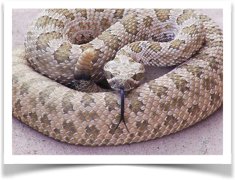
Spring is here and rattlesnakes are out and about all over Southern California.  Your dog could be exposed to rattlesnakes while hiking, or even in your back yard. You can save your dogs life by attending rattlesnake avoidance training, and your dog can save your life by alerting you to snakes.

SoCal K9 works with Herpetologist Andy Andrews, of the Etiwanda Game Association in Hesperia. Andy is considered one of the top snake aversion experts in the country! Andy has over 30 years experience training snake avoidance to dogs. He has developed a proven method which is both safe and effective for dogs, handlers and snakes (snakes are not harmed in any way).

Here is what to expect: The entire process will take approximately 20 minutes. Andy will lead your dog through a series of stations with rattlesnakes securely contained in wire cages. The cages allow the dog to see, smell and hear the snakes. Its extremely important that your dog encounter the snake in an outdoor natural setting in which snakes normally lurk. Your dog will be given an opportunity to “discover” the snake. Andy pays close attention to the subtle body signals of the dog and will stimulate the dog only at the exact moment the dog indicates that he has discovered the snake. Andy is extremely knowledgeable on the proper use of the stimulation collar and is extremely careful to only use lowest level of stimulation necessary for the personality of each dog. After your dog has been exposed to the snakes and demonstrated proper avoidance, the owner is called out to the starting point. The dog should take a circuitous route around the snake, if necessary, will be “proofed” several times until proper snake avoidance is achieved. You will be present during the entire process and Andy will be able to to answer any questions you might have.

SoCal K9 will be hosting this event and organizing the pre-scheduled sessions.  To reserve your time or Click here to register your spot in the next clinic or email megan@socalk9training.com for more information.

Rattlesnake Avoidance Clinics hosted by SoCal K9 are only offered in South Orange county (San Juan and San Clemente).  You may choose to contact Andy for clinics in your area.

The Power of Marker Training

The Power of Marker Training: Making Dog Training Fun and Effective

Training your furry companion can sometimes feel like a daunting task. But fear not, fellow dog owners! There’s a revolutionary training technique that is both fun and effective: marker training. In this blog post, we’ll dive into the world of marker training, exploring how it works and why it’s such a game-changer for both you and your pup.

What is Marker Training?

Marker training is a positive reinforcement method that uses a distinct sound or signal, known as a marker, to communicate with your dog. This could be a clicker or even just a simple word like “yes” or “good.” By associating the marker with rewards, such as treats or praise, you create a clear communication channel with your furry friend.

The Power of Positive Reinforcement

Unlike training methods that rely on punishment or dominance, marker training focuses on rewarding desired behaviors. It’s all about reinforcing the positive actions rather than punishing the negative ones. This creates an environment where learning becomes enjoyable for your dog.

Why Marker Training Works

Marker training literally marks the exact moment that a dog performs the exact behavior we as the handler are looking for. By using a dog’s natural food drive, we can tap into an important part of training, a dog’s natural desire for the reward and offering behaviors to access that reward. Here are some key reasons why this method is so effective:

Clear Communication

Dogs thrive on clarity, and markers provide just that. By using a consistent sound or word to mark desired behavior, you give your dog instant feedback, letting them know they’re on the right track. This clear communication helps speed up the learning process.

Instant Gratification

One of the beauties of marker training is its ability to provide instant gratification for your pup. As soon as they perform the desired behavior and hear the marker, they know that rewards are coming their way. This immediate feedback reinforces the connection between action and reward in their minds.

Focuses on Positive Associations

Positive associations are key to successful training. Through marker training, your dog learns to associate the marker with something positive, like treats, toys or praise. This encourages them to repeat the desired behaviors in hopes of receiving those rewards again.

Getting Started with Marker Training

Now that you understand the basics of marker training and why it’s so effective, let’s dive into how you can get started with this approach:

Step 1: Choose Your Marker

Decide on a distinct sound or word that will serve as your marker. It could be a clicker, a verbal cue like “yes,” or any other sound that is consistent and easy for you to replicate.

Step 2: Establish the Association

To establish the association between the marker and rewards, start by introducing your chosen marker. Make the sound or say the word and immediately follow it up with a treat. Repeat this several times until your dog understands that the marker predicts something good.

Step 3: Mark and Reward Desired Behaviors

Now it’s time to put marker training into action! Whenever your dog performs a behavior you want to reinforce, mark it with your chosen signal and promptly provide a reward. Remember to be consistent with both your marker and rewards to avoid confusion.

Taking Marker Training to the Next Level

Marker training opens up endless possibilities when it comes to teaching new tricks and behaviors. Here are some advanced techniques you can explore once you’ve mastered the basics:

Shaping Behavior

Shaping involves breaking down complex behaviors into smaller steps and gradually rewarding each step until you achieve the desired behavior. By using your marker effectively, you can guide your dog through this process and shape their actions towards success.

Adding Verbal Cues

Once your dog understands the markers, you can begin associating verbal cues with specific behaviors. For example, if you’re teaching them to sit, use the verbal cue “sit” and lure your pup into a seated position. Once your dog’s bum hits the ground, mark that exact moment with “Yes” and follow with a reward. Eventually, they’ll learn to respond to the verbal cue alone.

Generalizing Behaviors

Dogs are great at recognizing patterns, but they need practice to generalize behaviors across different environments and distractions. Gradually introduce new settings and gradually increase distractions while reinforcing their responses with markers and rewards.

Unleash the Potential with Marker Training

Marker training is a powerful tool that can transform your dog’s learning experience. By focusing on positive reinforcement, clear communication, and instant gratification, you create an environment where training becomes a fun and rewarding activity for both you and your furry friend. So, grab your marker, load up on treats, and get ready to unleash the full potential of your pup through marker training!

The Place Command and why you need it!

Place, one of the most beneficial commands you can teach your dog

Have you ever wished that your furry friend could stay in one place, especially when guests come over or during mealtimes? If you find yourself constantly battling with a dog that insists on jumping up or wandering around, then it’s time to introduce them to the concept of staying on place. In this guide, we’ll explore the art of Place training and how it can transform your dog’s behavior. Get ready to discover effective techniques, expert tips, and plenty of fun along the way!

Why Teach Your Dog the Place Command?

Before we dive into the nitty-gritty details of Place training, let’s discuss why teaching your dog to stay on place is beneficial. Here are some key reasons:

1. Safety and Control

Encouraging your dog to stay on a designated spot provides an added layer of safety and control. Whether you have guests with allergies or simply want to keep your pup away from certain areas, having a reliable “place” command ensures that they stay put.

2. Polite Greetings

Jumping up can be quite embarrassing and potentially dangerous if your dog accidentally knocks someone over. By teaching them to remain on their designated spot when greeting visitors, you can create a polite and calm environment for both humans and canines.

3. Mealtime Manners

If begging at the table has become a regular occurrence during mealtime, service mat training can help redirect your pup’s attention away from food and onto their own designated area. This not only improves their manners but also allows everyone at the table to enjoy their meals in peace.

Now that we understand the importance of training our dogs to stay on place let’s dive into the step-by-step process of service mat training.

Step 1: Choosing the Perfect Place

The first step in Place training is selecting the right mat or bed for your dog. Here are a few factors to consider:

Size and Comfort

Choose a bed or cot that is large enough for your dog to comfortably stand, sit, lie down, and turn around on. It should be soft and cushioned to encourage your pup to enjoy their designated spot.

Non-Slip Material

To ensure that the bed stays in place as your dog gets on and off it, opt for one with a non-slip bottom. This will prevent any accidental slipping or sliding during training sessions.

Visual Cue

Consider choosing a bed with a distinct visual cue, generally something with 2-3 inches of height. This will help your dog easily identify their designated spot.

Once you have selected the perfect service mat, it’s time to move on to the next step of the training process.

Step 2: Introducing Your Dog to the Place mat

Now that you have the ideal bed or cot in hand let’s begin introducing it to your furry companion. Follow these steps to ensure a smooth transition:

1. Familiarization

Place the place mat in an area where your dog spends most of their time. Allow them to sniff and investigate it at their own pace without any pressure or commands.

2. Positive Associations

Make the place mat an inviting space by associating it with positive experiences. Place treats or toys on the mat and praise your dog when they approach or interact with it voluntarily.

3. Marking and Rewarding

Introduce marker training by using a clicker or verbal cue such as “Yes!” when your dog steps onto the service mat. Immediately reward them with treats or praise for following the cue.

By gradually introducing your dog to the service mat through positive associations, you’ll create a strong foundation for successful training sessions.

Stay tuned for our next section where we’ll explore how to reinforce staying on place through consistent practice and valuable techniques. Your dog will soon become a pro at staying put, impressing your friends and family with their newfound manners!

Taming Puppy Play Biting: A Guide for New Puppy Owners

The Art of Taming Puppy Play Biting: A Guide for New Puppy Owners

Bringing a new puppy into your home is an exciting and joyous experience. Those tiny paws, wagging tail, and wet nose can melt even the coldest of hearts. However, along with the boundless love and cuteness, you may also encounter a common challenge: puppy play biting. While it may seem harmless at first, those sharp little teeth can leave their mark – both physically and emotionally. But fear not! In this guide, we’ll explore effective strategies to manage and redirect your puppy’s play biting tendencies. By understanding the root causes of this behavior and implementing positive training techniques, you’ll foster a well-mannered and gentle companion.

Understanding Puppy Play Biting

Before we dive into solutions, let’s take a closer look at why puppies engage in play biting in the first place. It’s essential to remember that puppies explore their world through their mouths. Additionally, they go through a teething phase where chewing provides relief from discomfort. Here are some key points to consider:

Teething Phase

Just like human babies, puppies go through a teething phase as their adult teeth begin to emerge. This process can cause discomfort and itching in their gums, leading them to chew on anything within reach – including your hands or furniture.

Socialization and Exploration

Puppies use their mouths as a means of socializing with littermates and exploring their surroundings. Through play biting during interactions with siblings or other dogs, they learn bite inhibition (how hard they can bite without causing harm) – an essential skill for future interactions.

Attention-Seeking Behavior

Play biting can also be an attention-seeking behavior from your furry friend. Puppies crave interaction and affection from their human companions; sometimes nibbling on your hands or clothes is their way of getting your attention.

Now that we have a better understanding of why puppies engage in play biting, let’s delve into effective strategies to manage this behavior.

Management and Prevention Techniques

Preventing and managing puppy play biting is crucial for fostering a harmonious environment. Here are several techniques you can employ:

Crates and X-Pens

Crates and X-pens can be incredibly helpful tools during the early stages of training. When your puppy gets overly excited or starts engaging in play biting, giving them some time alone in their crate or confined space can help redirect their energy and prevent any accidents or injuries.

Redirect with Toys

Redirecting your puppy’s attention towards appropriate chew toys is an excellent way to discourage play biting. Keep a variety of toys within easy reach and offer them as an alternative when you notice your puppy getting nippy. By associating chewing with toys instead of hands or clothing, you’ll gradually teach them what is acceptable behavior.

Positive Reinforcement

Positive reinforcement is a powerful tool in shaping your puppy’s behavior. Whenever your pup chooses to chew on a toy instead of play biting, shower them with praise, treats, or gentle petting. This positive association will reinforce the desired behavior and encourage them to continue making the right choices.

Consistency and Patience

Consistency is key when it comes to training any dog – especially puppies. Ensure that everyone in your household follows the same set of rules regarding play biting management. It may take time for your furry friend to grasp what is expected of them, so patience is essential throughout this process.

With these management techniques in place, you’re well on your way to curbing those pesky play biting tendencies. But remember, it’s important to strike a balance between discipline and fun – after all, playful interactions are an integral part of bonding with your new furry family member!

Stay tuned for the next sections of our guide where we’ll explore additional methods and tips for taming puppy play biting. We’ll cover topics such as bite inhibition training, socialization techniques, and tricks to handle more persistent play biting behavior.

Canine Resource Guarding and Aggression

Canine Resource Guarding: Understanding and Addressing Aggressive Behavior

Resource guarding is a common behavior among dogs, where they display aggression when they feel their possessions or territory are being threatened. This can manifest as food guarding, toy guarding, or even territorial aggression. If you’re an owner dealing with an aggressive dog, it’s essential to understand the underlying causes and implement effective behavior modification techniques. In this blog post, we’ll explore the world of canine resource guarding, focusing on obedience training, aggression management, and creating a harmonious environment for both you and your furry friend.

The Basics of Resource Guarding

Resource guarding is rooted in a dog’s natural instinct to protect valuable resources such as food, toys, and resting spots. While this behavior may seem alarming or frustrating at times, it’s important to remember that it is not uncommon among dogs. By understanding the basics of resource guarding, we can take steps towards addressing and modifying this behavior.

Identifying Signs of Resource Guarding

Resource guarding can be identified through various signs exhibited by your dog:

  • Growling or snarling when approached near their resources.
  • Stiff body language and intense staring.
  • Lunging or snapping at people or other pets who come too close to their possessions.
  • Freezing or tensing up when someone tries to take away their belongings.

Recognizing these signs is crucial in order to address resource guarding effectively.

The Importance of Obedience Training

Obedience training plays a significant role in managing resource guarding behavior. Teaching your dog basic commands such as “sit,” “place,” “back,” “drop,” and “leave it” helps establish boundaries and reinforces your role as the pack leader. When your dog understands these commands and respects your authority, it becomes easier to manage their possessive tendencies.

Understanding Food Aggression

Food guarding is one aspect of resource guarding that many dog owners encounter. It occurs when a dog displays aggression or possessiveness over their food bowl or treats. Here’s how you can address food guarding behavior in a safe and effective manner.

Gradual Desensitization

Gradual desensitization is a technique that involves exposing your dog to situations where they might exhibit food guarding behavior, but at a level where they feel comfortable and relaxed. Start by approaching their food bowl while they eat, rewarding them with treats for calm behavior. Over time, gradually increase the proximity to the bowl until you can touch it without triggering any signs of aggression. In extreme cases, consult a professional, do not put yourself in danger.

Positive Reinforcement

Positive reinforcement is a powerful tool when dealing with resource guarding. Reward your dog for calm behavior around their food bowl by offering praise, treats, or more food. This helps create positive associations with people being near their resources and reinforces the idea that sharing means more food/treats coming their way.

Managing Toy Guarding

Toy guarding occurs when dogs display aggressive behavior when someone approaches their toys or attempts to take them away. Here are some strategies to help manage and modify toy guarding behavior.

Trade-Up Method

The trade-up method involves exchanging the item your dog is guarding for something of higher value as a way to teach them that giving up possessions results in something better. For example, if your dog has a favorite toy they guard, offer them an even more enticing toy in exchange. This teaches them that relinquishing their possessions leads to greater rewards.

Rotating Toys

Rotating toys can help reduce possessive tendencies by preventing your dog from becoming too attached to one particular toy. Introduce new toys regularly while temporarily removing others. This creates a sense of novelty and prevents resource guarding from becoming deeply ingrained.

Addressing Territorial Aggression

Territorial aggression occurs when dogs become possessive over specific areas such as their bed, crate, or even certain rooms in the house. Here are some techniques to address territorial aggression and promote a more harmonious environment.

Gradual Exposure

Gradual exposure involves gradually exposing your dog to situations that trigger territorial aggression, but in a controlled and safe manner. Start by setting up boundaries around the area they guard and allowing them access only with your permission. Over time, expand these boundaries while consistently reinforcing obedience commands to establish your authority.

Providing Safe Spaces

Creating designated safe spaces for your dog can help alleviate territorial aggression. These spaces should be comfortable and secure, providing them with a sense of ownership over their own territory. By having their own designated areas, dogs are less likely to feel the need to guard other parts of the house.

Building a Positive Relationship

Building a positive relationship with your dog is essential when addressing resource guarding behavior. Here are some additional tips to consider:

  • Consistency: Consistency is key in training and managing resource guarding behavior. Establish clear rules and boundaries, and ensure that all family members follow them consistently.
  • Professional Guidance: If you’re struggling to address resource guarding on your own, don’t hesitate to seek professional guidance from a dog training professional/behaviorist who specializes in aggressive behavior.
  • Patience and Persistence: Modifying resource guarding behavior takes time and patience. Be persistent in implementing training techniques and remember that progress may be gradual.

A Happy Coexistence is Possible

Understanding canine resource guarding is crucial for any owner dealing with an aggressive dog. Through obedience training, gradual desensitization, positive reinforcement, and consistent management techniques, it’s possible to modify this behavior effectively. Remember that each dog is unique, so it’s important to tailor your approach accordingly. With patience, persistence, and dedication, you can create a harmonious environment where both you and your furry friend can coexist happily.

1 2 3 4